Ultron Renewable Power Company Ltd. (URPC)

Ultron Renewable Power Company Ltd. (URPC)
URPC’s utility-scale IPPs, mini-grids, and distributed solar systems expand access to reliable, affordable electricity for households, businesses, and public institutions. Our projects reduce dependence on expensive diesel generators, improve grid stability through battery storage, and bring first-time electricity access to under-served rural communities.
Key Outcomes:
• Households electrified with 24/7 reliable power
• Businesses able to operate extended hours and improve productivity
• Schools and health centers powered for better service delivery
• Reduced energy costs for industrial and commercial clients
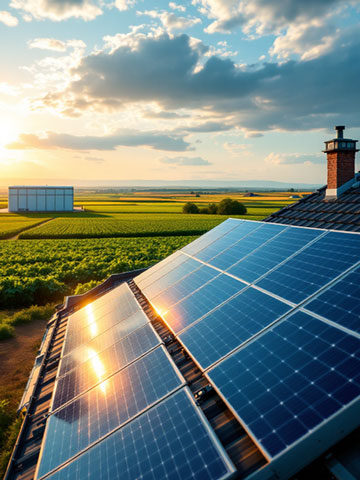
Every URPC project displaces fossil fuel generation, reducing greenhouse gas emissions and contributing to Uganda’s Nationally Determined Contributions (NDCs) under the Paris Agreement. Our renewable energy infrastructure builds climate resilience by diversifying energy sources and reducing vulnerability to fuel price volatility.
Key Outcomes:
• Tonnes of CO₂ emissions avoided annually
• Reduced air pollution from diesel generators
• Conservation of water resources (no water consumption for power generation)
• Contribution to Uganda’s climate commitments and green growth strategy
URPC projects generate direct and indirect employment throughout the project lifecycle—from construction to long-term operations and maintenance. We prioritize local hiring, skills training, and partnerships with local suppliers to maximize economic benefits for host communities.
Key Outcomes:
• Construction jobs (electricians, technicians, laborers)
• Permanent O&M positions with competitive wages
• Local procurement and supply chain opportunities
• Skills transfer and technical training for local workforce
• Gender inclusion: 30%+ women in workforce
• Youth employment: 25%+ youth hired
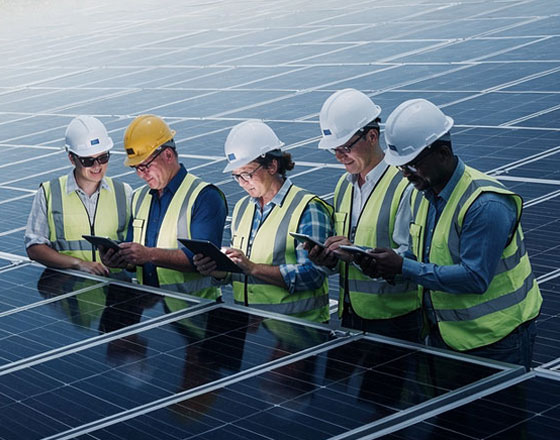
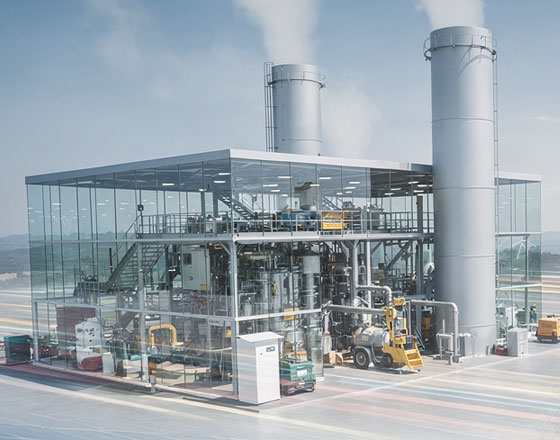
Reliable, affordable energy is critical for industrial competitiveness. URPC’s C&I solar solutions reduce energy costs by 40-60%, improve power quality, and provide backup capacity—enabling factories and businesses to increase production, reduce downtime, and compete in regional and international markets.
Key Outcomes:
• Energy cost reduction of 40-60% for industrial clients
• Improved production uptime and reduced losses from outages
• Enhanced competitiveness in export markets
• Attraction of new industrial investment
• Support for Uganda’s industrialization agenda
URPC’s agro-energy solutions—solar cold storage, drying facilities, and processing equipment—reduce post-harvest losses, extend shelf life, and enable farmers to access better markets. By powering agricultural value chains, we increase farmer incomes, improve food security, and strengthen rural economies.
Key Outcomes:
• Energy cost reduction of 40-60% for industrial clients
• Improved production uptime and reduced losses from outages
• Enhanced competitiveness in export markets
• Attraction of new industrial investment
• Support for Uganda’s industrialization agenda
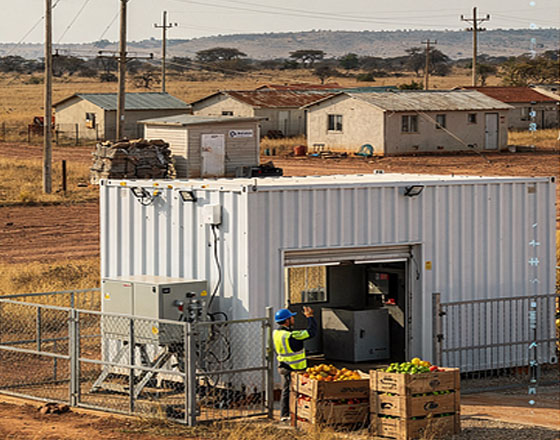

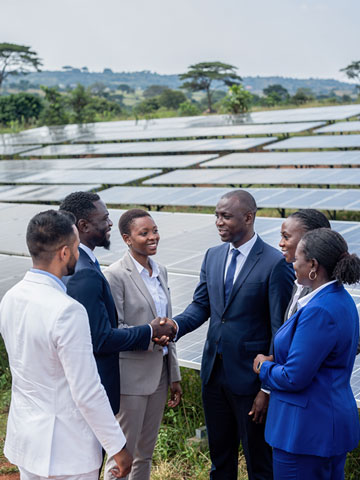
URPC recognizes that successful renewable energy projects require meaningful engagement with communities, local authorities, cooperatives, and civil society. We adopt a participatory approach throughout the project lifecycle—from initial consultation through construction and long-term operations—ensuring that local voices are heard, concerns are addressed, and benefits are shared equitably.
• Early consultation during project feasibility and site selection
• Community information sessions in local languages
• Transparent land acquisition processes with fair compensation
• Employment and procurement opportunities for local residents
• Community development initiatives (schools, health centers, infrastructure)
• Ongoing dialogue through community liaison officers
• Grievance mechanisms for addressing concerns

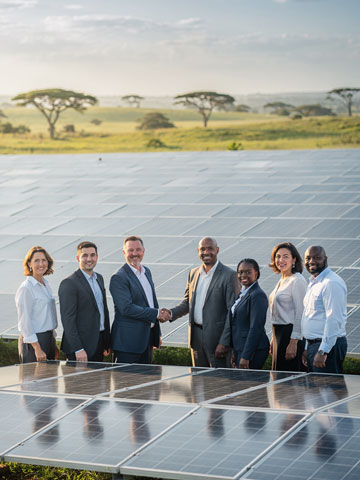
• Partnership models for agro-energy and mini-grid projects
• Co-design of solutions with farmer cooperatives
• Integration with SACCO lending for productive-use equipment
• Training and capacity building for cooperative management
• Market linkage support for agricultural products
• Shared ownership and revenue models where appropriate
• Long-term technical support and maintenance training
• Collaboration with district and sub-county authorities
• Alignment with local development plans and priorities
• Transparent permitting and regulatory compliance
• Partnership with development partners (NGOs, DFIs, UN agencies)
• Support for government energy access and climate goals
• Regular reporting and stakeholder updates
• Multi-stakeholder forums for project oversight